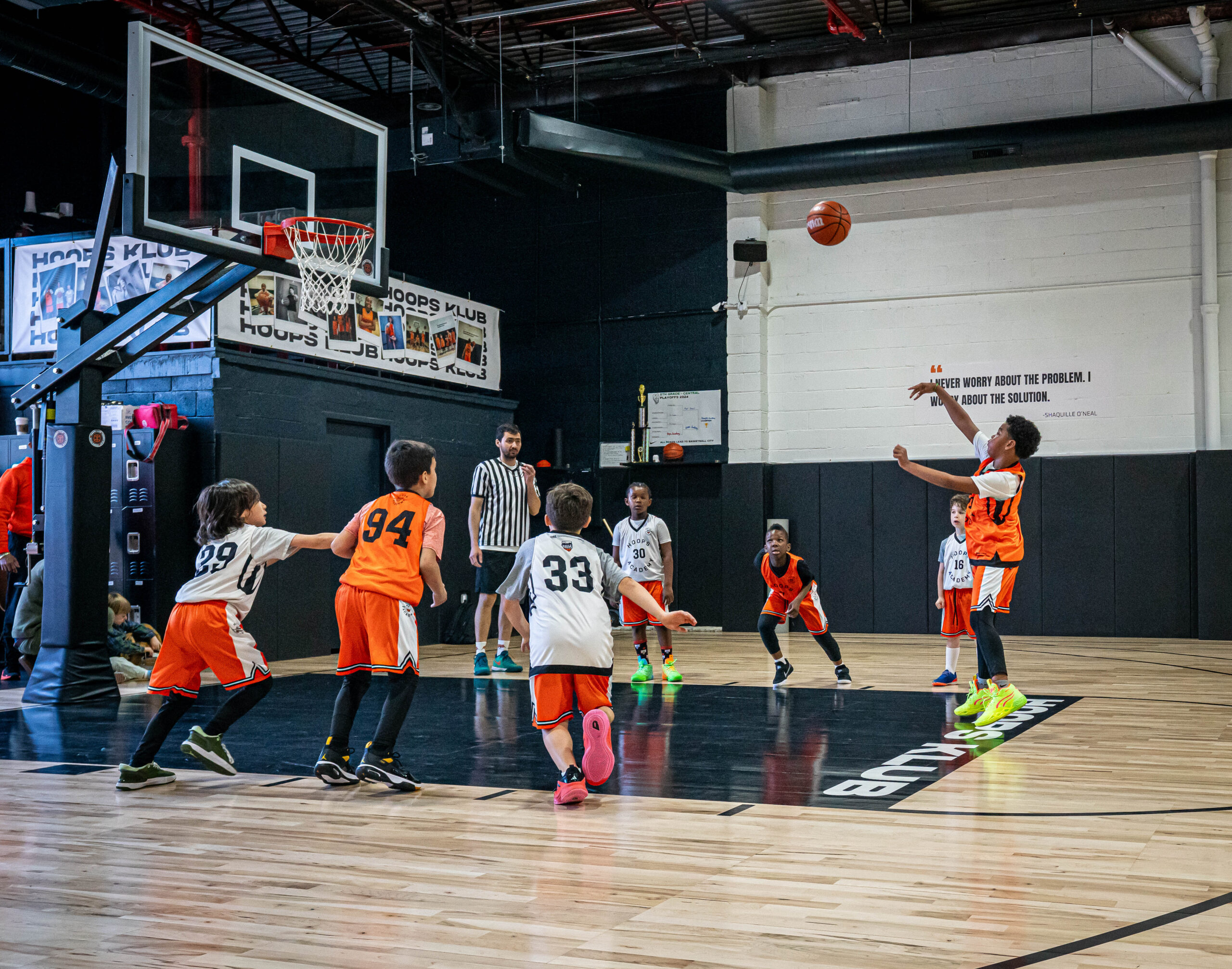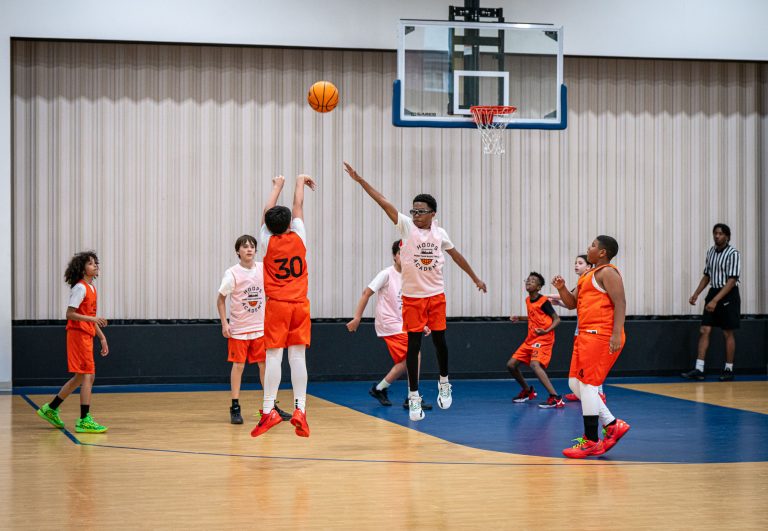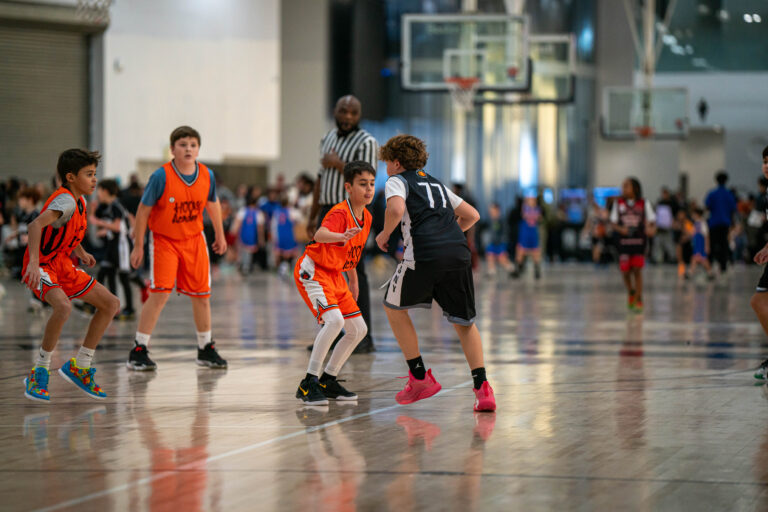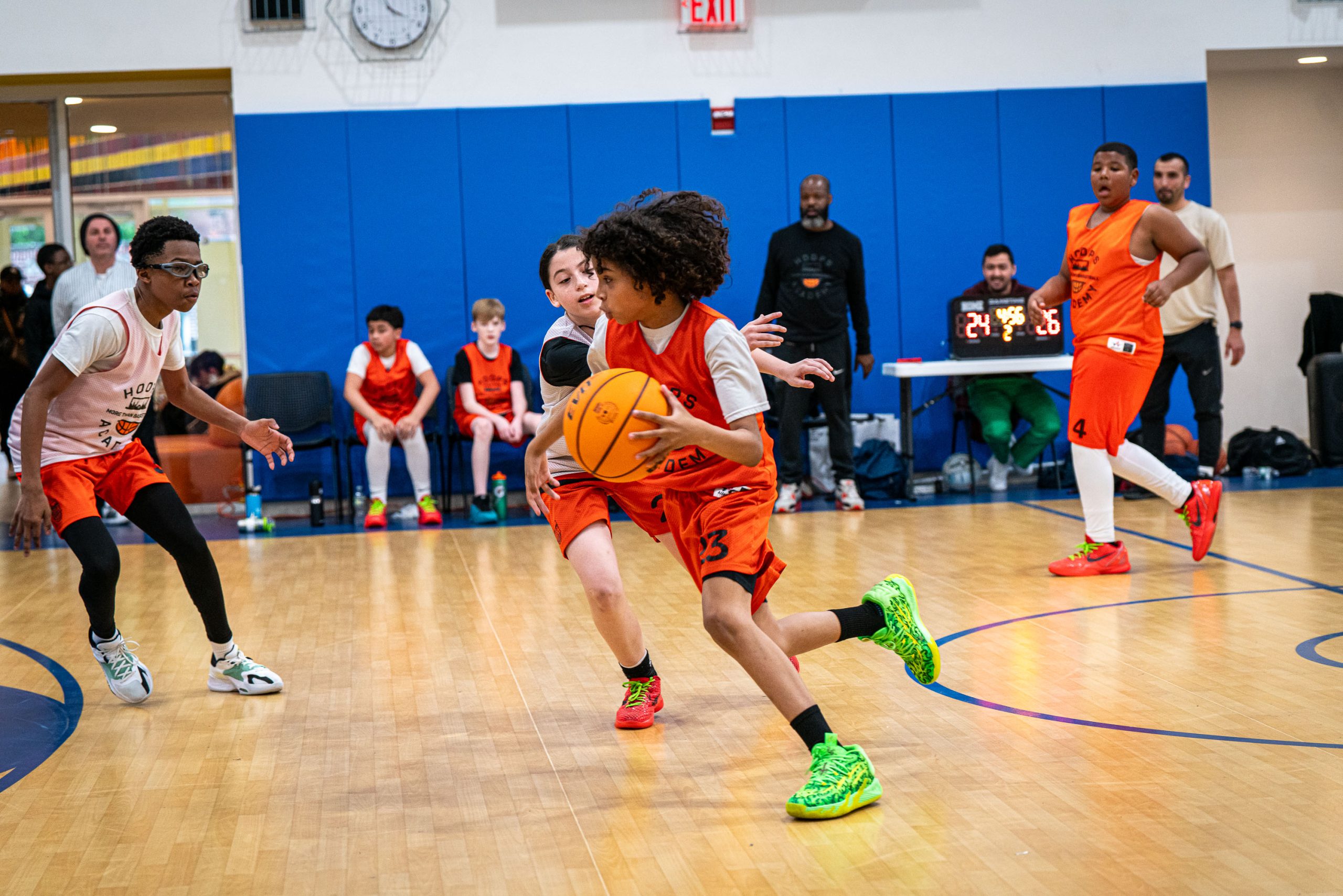

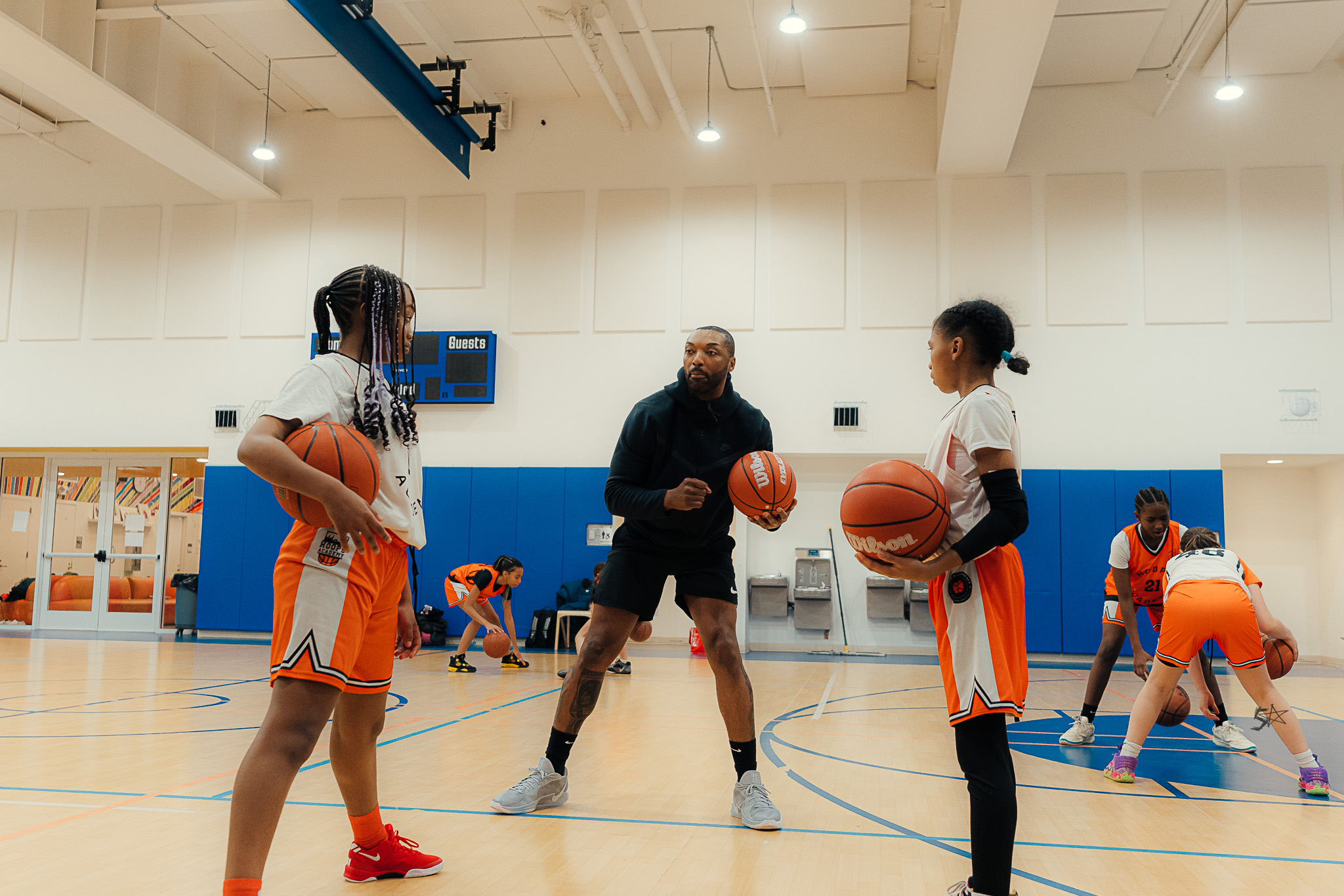
In recent years, girls basketball classes have become an essential part of youth sports development. More families are recognizing the value of structured basketball training for young girls, not only for athletic improvement but also for personal growth, confidence building, and life skill development. Basketball is more than just a sport—it is a powerful tool that teaches discipline, teamwork, leadership, and resilience.
When young athletes participate in structured basketball programs, they gain access to coaching, mentorship, and competitive environments that help shape their character and abilities. These experiences are especially important for girls, as sports participation plays a key role in building confidence and breaking barriers in traditionally male-dominated athletic spaces.
Building Strong Fundamentals Through Structured Training
One of the most important benefits of girls basketball classes is the development of strong fundamentals. Young players are introduced to essential basketball skills such as dribbling, passing, shooting, footwork, and defensive positioning. These foundational skills are critical for long-term success in the sport.
Structured training ensures that each skill is taught step by step, allowing players to build confidence as they progress. Coaches focus on repetition and correction so athletes can develop proper technique early. This prevents bad habits and helps players improve consistently over time.
For many young girls, this structured environment provides their first real introduction to organized sports. Learning how to move, communicate, and play within a team setting becomes an important foundation not only for basketball but for future athletic experiences as well.
The Role of Intense Basketball Training in Development
As players advance, intense basketball training becomes a key part of their growth. This type of training focuses on improving speed, strength, endurance, and decision-making under pressure. It pushes athletes beyond basic skill development and challenges them to perform at a higher level.
Intense training sessions often include:
- High-repetition skill drills
- Fast-paced game simulations
- Conditioning exercises for stamina
- Competitive scrimmages
- Pressure-based decision-making drills
This level of training helps young girls learn how to stay focused in challenging situations. It teaches mental toughness and the ability to perform even when fatigued or under pressure. These qualities are essential for competitive basketball and also valuable in everyday life situations such as academics and personal challenges.
Through consistent exposure to intense training, players develop discipline and resilience. They learn that improvement requires effort, consistency, and a willingness to push through difficulty.
Confidence Building and Personal Growth
One of the most powerful outcomes of girls basketball classes is confidence development. Many young athletes begin with hesitation or uncertainty, especially if they are new to sports. Through structured training and consistent encouragement, they gradually gain confidence in their abilities.
As players master new skills and successfully apply them in games, their self-esteem grows. This confidence extends beyond the basketball court. Many parents notice improvements in communication, leadership, and overall self-assurance in their children.
Basketball also teaches girls how to handle both success and failure. Learning to lose gracefully, improve from mistakes, and stay motivated after setbacks builds emotional strength and maturity.
Teamwork and Social Development
Basketball is a team sport, and girls basketball classes naturally emphasize teamwork and communication. Players learn how to work together, share responsibilities, and support each other on and off the court.
Through practice and gameplay, young athletes develop:
- Communication skills
- Cooperation and trust
- Leadership abilities
- Respect for teammates and coaches
These social skills are extremely important during youth development. Girls who participate in team sports often build stronger friendships, better communication habits, and improved emotional intelligence.
The team environment also helps reduce social anxiety and encourages children to express themselves more confidently.
Physical Fitness and Healthy Lifestyle Habits
Another key benefit of intense basketball training is improved physical fitness. Basketball is a high-energy sport that involves running, jumping, sprinting, and quick directional changes. These movements help improve cardiovascular health, strength, agility, and coordination.
Regular participation in basketball classes encourages children to stay active and develop healthy habits early in life. Instead of spending time on screens or inactive routines, they engage in structured physical activity that supports overall well-being.
Over time, this helps establish a lifestyle centered around fitness, discipline, and self-care.
Developing Discipline and Mental Toughness
Discipline is one of the most important life skills taught in girls basketball classes. Players must follow instructions, attend regular practices, and consistently work on improving their skills. This structure teaches responsibility and commitment.
Intense basketball training further strengthens mental toughness. Athletes learn how to push through fatigue, handle pressure, and stay focused during challenging moments. These lessons are valuable not just in sports but in academics and everyday life challenges as well.
The ability to stay disciplined and mentally strong becomes a long-term advantage for young athletes as they grow older.
Preparing for Competitive Opportunities
For girls who want to take basketball more seriously, structured training programs provide a pathway to competitive opportunities. Whether it is school teams, travel basketball, or advanced leagues, girls basketball classes prepare athletes for higher levels of competition.
Players learn game strategies, positioning, and advanced skills that give them an advantage in competitive environments. They also gain experience playing under pressure, which is essential for success in organized sports.
Conclusion
Girls basketball classes play a vital role in youth development by combining skill training, physical fitness, teamwork, and personal growth. When paired with intense basketball training, these programs help young athletes build confidence, discipline, and resilience.
Beyond the game itself, basketball teaches life lessons that stay with players long after they leave the court. From communication and leadership to perseverance and self-belief, the impact of structured basketball training is long-lasting and meaningful.
For parents looking to support their child’s growth, enrolling in basketball classes is not just about sports—it is about building strong, confident, and capable young individuals ready for future success.